








In Syria and Lebanon, prolonged displacement rendered traditional education models ineffective. For some, the urgent need was a quick entry into the labour market; for others, the dream of academic excellence still burned bright. What they needed were parallel, flexible pathways.
The thoughtful response was to design modular options: short-term, market-aligned diplomas that allowed learners to pause and resume, alongside full bachelor’s degree opportunities through partnerships with institutions such as the American University of Beirut. Optionality, not rigidity, became a lifeline, ensuring dignity, adaptability and access to opportunity.
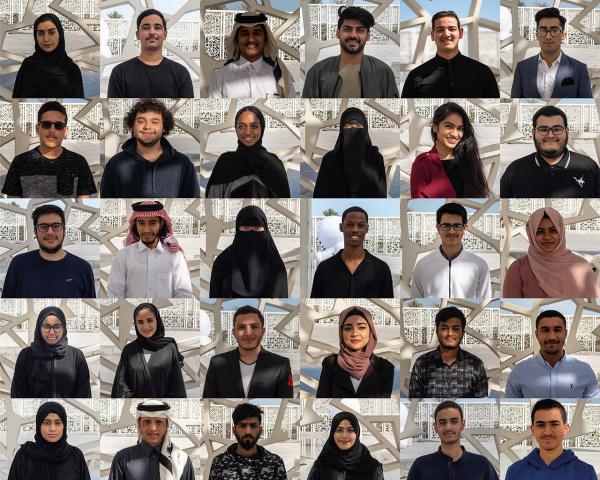
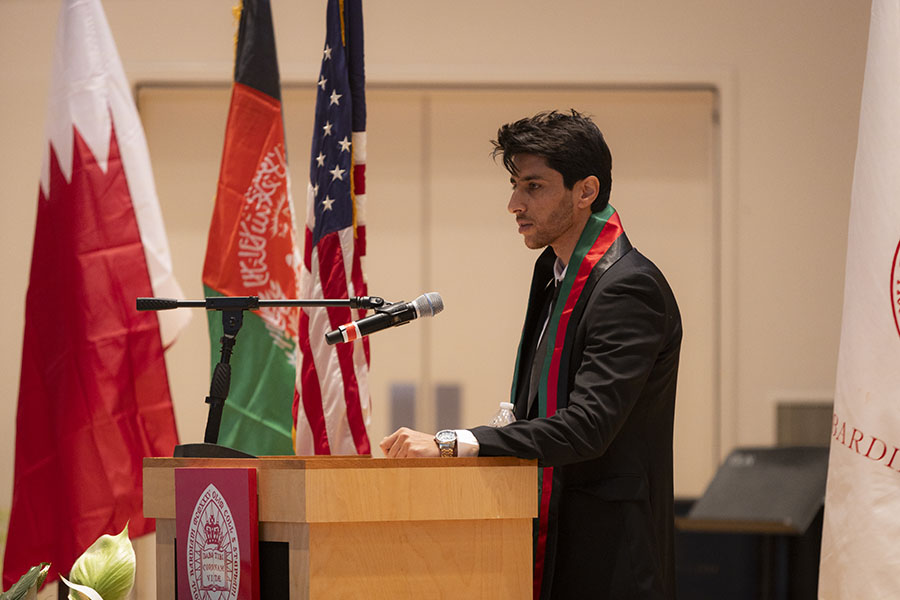
In Afghanistan, the Taliban’s 2021 return triggered the collapse of the education system, particularly for girls and women. This prompted a dual strategy. The Afghan Thrive initiative aimed to offer globally recognised online learning for women barred from classrooms. Meanwhile, the Qatar Scholarship for Afghans Project (QSAP) mobilised over 60 US universities and international stakeholders to provide scholarships and safe relocation pathways for hundreds of Afghan youth.
These weren’t temporary fixes. They were structural interventions designed for continuity, portability and resilience because in fragile settings, sustaining education is also about sustaining identity.
But access to learning means little without addressing trauma. In Gaza, therapy rooms were introduced into public schools for the first time, central case units were developed to handle high-risk mental health interventions, and school counsellors were embedded in long-term mentorship programmes. Twinning partnerships were created with international institutions to help universities establish degree tracks in psychosocial support, and a national digital case management platform was developed to link services, ministries and NGOs.
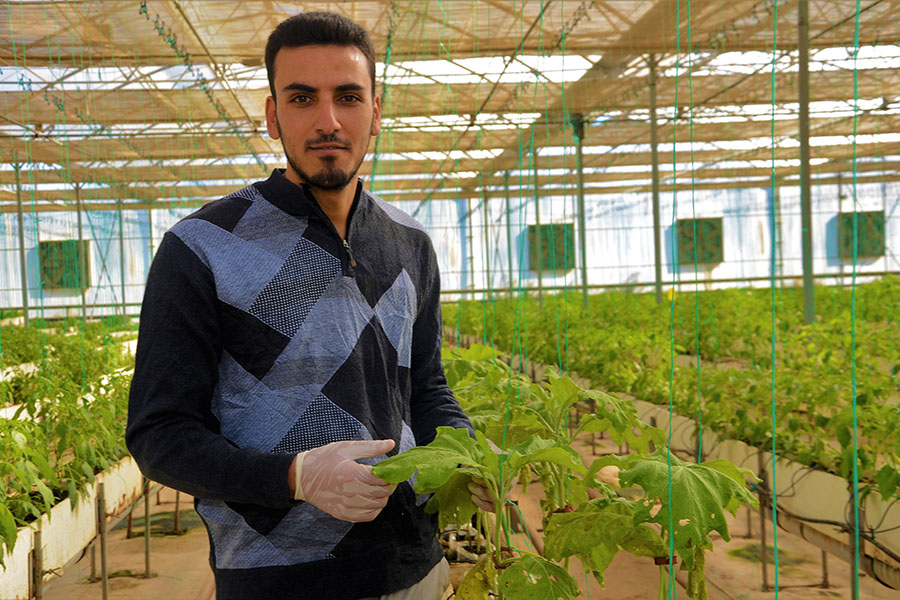
 Hani Shehada